Trending
Politics
Read more
Washington State,
‧
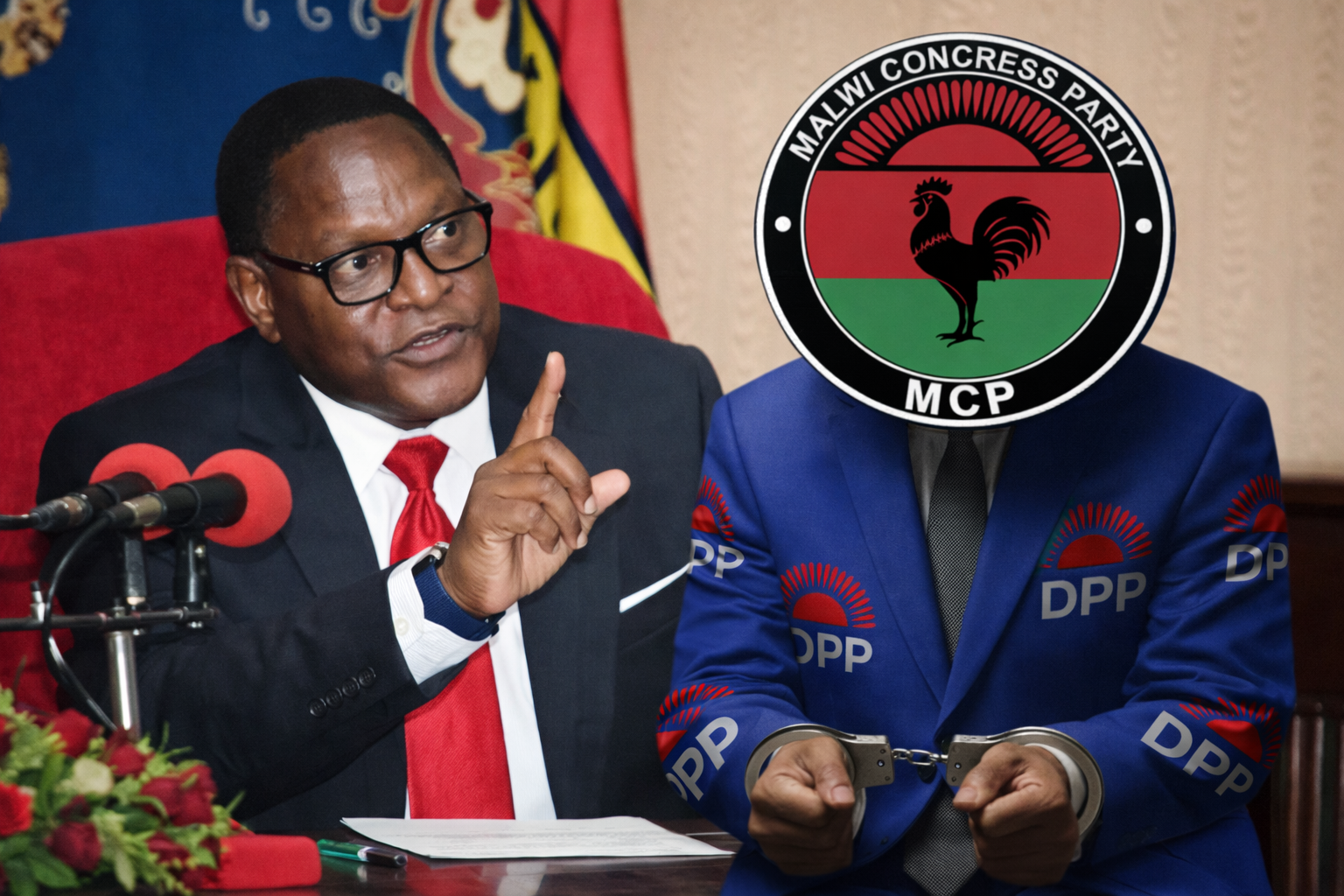
The Chakwera Era: An Analysis of Political Arrests and the Challenge of Judicial Convictions
During the presidency of Dr. Lazarus Chakwera (2020–2025), the Malawi Congress Party-led administration oversaw numerous high-profile arrests. Many of these actions were framed by the government as a “cleaning up” of corruption, while the people and political analysts frequently characterized them as political persecution. Below is a list of over 60 notable of some individuals arrested during this period, categorized by their roles. 1. Some Top Political Figures Saulos Chilima: The former Vice President was arrested in November 2022 on corruption allegations involving businessman Zuneth Sattar. Joseph Mwanamveka: Former Minister of Finance; arrested for abuse of office and fraud related to the sale of the Malawi Savings Bank and falsifying figures for the IMF. Dalitso Kabambe: Former Governor of the Reserve Bank of Malawi; arrested on charges related to abuse of office and financial irregularities. Ben Phiri: Former Minister of Local Government and a key DPP strategist; arrested in connection with corruption at the Ministry of Gender. Nicholas Dausi: Former Cabinet Minister; arrested in connection with procurement irregularities. Newton Kambala: Former Minister of Energy; arrested in 2021 over allegations of influencing fuel supply contracts. Charles Mchacha: Former Minister; arrested on multiple occasions for allegations including illegal acquisition of public land and abuse of office. 2. Some Civil Servants and Institutional Leaders Justice Lloyd Muhara: Former Chief Secretary to the Government; arrested on charges related to his role in attempting to force out former Chief Justice Andrew Nyirenda. Dr. Collins Magalasi: Former CEO of the Malawi Energy Regulatory Authority (MERA); arrested for fraud and money laundering. Roza Mbilizi: Former Deputy Commissioner General of the Malawi Revenue Authority (MRA); arrested in connection with the duty-free cement importation scandal. Godfrey Itaye: Former Director General of MACRA and later MBC; arrested on charges of abuse of office. Dr. Cliff Chiunda: Former Secretary to the Treasury; arrested in connection with various financial management scandals. 3. Some Security and Legal Officials Norman Chisale: Former President Peter Mutharika’s security aide; arrested multiple times on various charges ranging from fraud to attempted murder and money laundering. Martha Chizuma: The Director General of the Anti-Corruption Bureau (ACB) was famously arrested in December 2022 over a leaked audio clip, though charges were later dropped after a public and international outcry. Evalista Chisale: Former Police Commissioner; arrested in 2020 alongside 12 other officers in connection with the custodial death of Buleya Lule. George Kainja: Former Inspector General of Police; arrested in 2022 in connection with the Zuneth Sattar corruption investigation. 4. Some Activists and Media, Communications, and Social Commentators Steven Maseya: Broadcaster, A digital communications specialist and commentator, Maseya was arrested on 11th November, 2021 in connection with the alleged “leaking” or sharing of fake MANEB papers on social media. His arrest was widely viewed by the general public and opposition then (DPP) as an attempt to stifle those with dissenting views against the Malawi Congress Party. Gregory Gondwe: An investigative journalist who was detained and had his equipment seized by police in April 2022 after his platform, Platform for Investigative Journalism (PIJ), published stories regarding government contracts involving businessman Zuneth Sattar. Joshua Chisa Mbele: A vocal social media influencer and critic of the MCP administration. He was arrested multiple times for his posts, facing charges of criminal libel and “publication of false news.” Bon Kalindo: While primarily a political activist, Kalindo (also known as Winiko) was frequently arrested for his audio clips and social media broadcasts that mobilized citizens against the rising cost of living. Watipaso Mzungu: A senior journalist who was summoned and questioned by police over news articles that were critical of the administration’s handling of certain state affairs. Sylvester Namiwa: Executive Director of the Centre for Democracy and Economic Development Initiatives (CDEDI); arrested during various protests against the administration. Some of the notable people who also got arrested by Chakwera’s MCP are as follows; Hon. Alfred Gangata, Chingwalungwalu, Hon. Henry Mussa, Hon. Peter Mukhito, Gerald Chiunda, Commissioner Linda Kunje, Rayneck Matemba, Hon.Mzomera Ngwira, Hon. Enock Chihana, Silvester Namiwa, Kainja, Chaima, Hon. Sameer Suleman, Thom Mpinganjira, Henrie Njoloma, Hon. Leonard Chimbanga, Tadikila Mafuzya, Mutharika, Hon. Levy Luwemba, Hon. Kamplepo Kaluba, Hon. Fegus Lipenga, Grace Kaphale, Ben Chitsonga, , Henry Macheso, Elvin Mwapasa, Stanley Chirwa, Tamia ja, James Chuma, Elvis Thodi, Dr. Henry Njoloma, Gift Dulla, Dr. Allexon Chiwaya, Dr. Cliff Chiunda, Muchana Khwaye Mpuluka, Julius Mithi, Maulidi (MERA), Gerard Viola, Francisca Masamba Theula, Kaisi Sadala, Hon Chikwanje RG Eastern region and many others. Toward the end of the term, particularly during and after the September 2025 General Elections, several other arrests occurred, eight Election Officials: Arrested in Lilongwe for alleged data manipulation and attempting to rig the vote. While many of these individuals were arrested and charged, the conviction rate for high-profile political cases remained a subject of intense debate, with several cases being dismissed by the courts or stalled for years.
Read more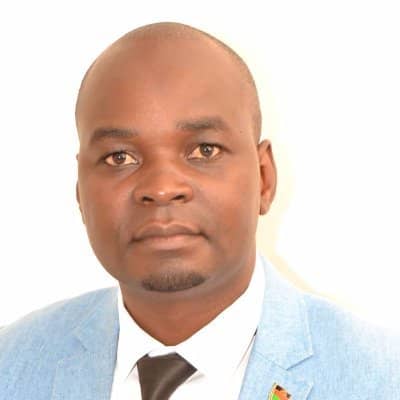
Washington State,
‧
Breaking the Fortress: How Ginford Maulidi Rewrote Chikwawa East’s Political History
Chikwawa East Constituency occupies a distinctive place in Malawi’s political history. Since the advent of multiparty democracy in 1994, the area stood firmly as a United Democratic Front (UDF) stronghold, electing UDF Members of Parliament election after election. For nearly three decades, political change in the constituency appeared inconceivable, with party loyalty deeply entrenched and alternative voices largely dismissed before campaigns even began. That long-standing pattern has now been decisively broken. For the first time since 1994, Chikwawa East has elected a Member of Parliament from the Democratic Progressive Party (DPP). This historic outcome represents not merely a change of party colours, but a profound political shift in a constituency once regarded as impenetrable territory for the opposition. At the centre of this transformation stands Hon. Ginford Maulidi. Maulidi’s victory is no accident of circumstance, nor the product of fleeting political winds. Widely known as calm, humble, and soft-spoken, he embodies the truth of the Chichewa saying: “ndi wodekha koma m’mtima muli kanthu”—gentle in manner, yet strong in purpose. Beneath his quiet disposition lies resilience, courage, and an unshakable sense of conviction. His journey to Parliament was marked by repeated setbacks. He contested the same seat several times and lost. Each defeat tested his endurance and commitment. Where many would have withdrawn, defected, or sought political refuge elsewhere, Maulidi chose perseverance. During periods of intense political turbulence in the Lower Shire, when allegiance became fluid and expediency tempted many, Maulidi stood firm. As some who identified with the DPP defected to support Kondwani Nankhumwa, and later enabled the Malawi Congress Party’s inroads into the East Bank, Maulidi remained resolute. At considerable personal and political cost, he held onto the DPP flag almost single-handedly. Ridiculed, doubted, and politically isolated, he refused to abandon either his party or the constituency he believed in. While others shifted with the prevailing winds, Maulidi remained constant. Mkuyu uyu mondizana ndi chipani, sadatope—this fig tree stayed rooted in the party and did not grow weary. His eventual triumph is therefore earned, not gifted. It is the culmination of patience, discipline, loyalty, and faith—both in party principles and in the electorate. For the people of Chikwawa East, voting for Maulidi signifies more than a partisan realignment; it reflects political maturity, renewed hope, and a willingness to reward consistency and character over historical habit. The electorate has demonstrated that loyalty is not blind, and that long-held political traditions can be reconsidered when leadership, humility, and persistence are proven over time. Maulidi’s story offers a compelling lesson for Malawian politics. It underscores the enduring value of perseverance, affirms that loyalty still matters, and reminds us that political dominance is never permanent. Constituencies evolve, and voters ultimately honour those who remain committed even when the odds are stacked against them. For the DPP, this victory is historic. For Chikwawa East, it is transformative. And for Hon. Ginford Maulidi, it is living proof that steadfastness, humility, and resilience can indeed rewrite history. Phungu wa DPP woyamba ku Chikwawa East, pomwe mbuyo monse kumakhala wa UDF basi since 1994—a moment worthy of record, reflection, and learning.
Read more
Lilongwe, Malawi
‧
President Mutharika Reshuffles Cabinet, Abolishes Minister of State Position
President Professor Arthur Peter Mutharika has announced a major cabinet reshuffle, abolishing the position of Minister of State in a move aimed at streamlining government operations and reducing public expenditure amid ongoing economic challenges. The changes, which take immediate effect, were announced in a press statement issued by Chief Secretary to the Government, Dr. Justin Adack K. Saidi, and are made under powers granted to the President by Section 92 (1) of the Constitution of the Republic of Malawi. The Minister of State portfolio had been part of the administration formed following the September 2025 general elections, in which President Mutharika secured a landslide victory. Its removal is being widely interpreted as a response to public calls for fiscal discipline and lean government. The reshuffle retains several key ministerial portfolios while introducing a number of deputy minister appointments, a move government sources say is intended to enhance coordination, decentralize decision-making, and improve service delivery in priority sectors. Under the new arrangement, President Mutharika remains President and Commander-in-Chief of the Malawi Defence Force and Malawi Police Service, supported by First Vice President Dr. Jane Ansah, SC, JA (Rtd), and Second Vice President Enoch Kamzingeni Chihana. The economic cluster continues to be led by Minister of Finance, Economic Planning and Decentralization, Joseph Mwanamvekha, MP, alongside portfolios overseeing agriculture, trade, energy, and labour—sectors viewed as central to economic recovery. Among notable appointments: George T. Chaponda, MP retains Foreign Affairs and International Cooperation Roza Fachi Mbilizi, MP heads Agriculture, Irrigation and Water Development George Patridge takes charge of Industrialisation, Business, Trade and Tourism Alfred Gangata, MP has been appointed Minister of Natural Resources Jean Mathanga, MP oversees Energy and Mining The reshuffle also introduces several deputy ministers in ministries including Agriculture, Health, Education, Natural Resources, Gender, and Industrialization, signaling increased operational support in service-heavy departments. Political analysts describe the reshuffle as a strategic recalibration barely three months into President Mutharika’s new term, aimed at injecting momentum into governance and aligning cabinet performance with campaign promises. “The appointment of deputy ministers suggests a deliberate effort to strengthen implementation capacity, especially in agriculture, health, and education—areas critical to economic stability and social resilience,” said one governance analyst. The abolition of the Minister of State position has drawn particular attention, with commentators viewing it as a symbolic and practical cost-saving measure, reinforcing the administration’s commitment to fiscal prudence. According to the Chief Secretary’s statement, all appointments and structural changes take effect immediately, as the administration moves to consolidate its policy agenda amid economic recovery efforts and climate-related pressures.
Read more
Phalombe Malawi
‧
APM Reviving Economy
Democratic Progressive Party (DPP) Vice President for the Southern Region, Honourable Joseph Mathyola Mwanamvekha, has told residents of Phalombe North that the country’s economy is on a recovery path under the leadership of President Arthur Peter Mutharika. Speaking during a political rally held at Namileme Primary School Ground, Mwanamvekha said the current administration has stabilised the economy following what he described as mismanagement during the previous Malawi Congress Party (MCP) government led by President Lazarus Chakwera between 2020 and 2025. He pointed to improved availability of essential commodities as evidence of economic recovery, noting that maize prices have reportedly dropped from around K110,000 to K50,000 per 50kg bag. Mwanamvekha also highlighted improved fuel supply across the country. “Fuel is now readily available. There are no longer queues at our filling stations,” he said. Member of Parliament for Phalombe North, Honourable Feston Chauma, thanked constituents for their continued support and expressed appreciation to Mwanamvekha for pledging to facilitate the rehabilitation of the Chiteketsa road, which has long been in a poor state. The rally attracted several senior DPP officials, including Regional Governor for the South, Honourable Charles Mchacha, and DPP Director of Youth for the Southern Region, Honourable Bizzier Kalulu. The meeting formed part of the DPP’s outreach programme aimed at updating citizens on government initiatives while also gathering feedback from the grassroots. Mwanamvekha urged residents of Phalombe North to maintain their support for President Mutharika’s development agenda, which he said is focused on economic stability and growth.
Read moreSports
Read more

FCB Nyasa Big Bullets Part Ways with Head Coach, Peter Mponda
FCB Nyasa Big Bullets have announced that they have parted ways with head coach Peter Mponda, bringing an end to his tenure at the People’s Team. The decision comes barely hours after Bullets’ hopes of winning the 2025 TNM Super League title were mathematically extinguished following a goalless draw against Mighty Tigers on Saturday. The result confirmed that the club has failed to clinch the league title for a second consecutive season. In a statement published on the club’s official website, Bullets confirmed the departure but did not immediately disclose details regarding the terms of separation or plans for a replacement. Mponda’s exit has sparked mixed reactions among Bullets supporters, with some fans expressing disappointment over the team’s inability to reclaim domestic dominance, while others have questioned the timing of the decision given that the season is yet to conclude. FCB Nyasa Big Bullets still have one fixture remaining in the 2024/25 TNM Super League season, a match against Mzuzu City Hammers, which will now be played amid uncertainty over the team’s technical leadership. The club is yet to announce who will take charge of the final game of the season or outline its technical direction ahead of the next campaign.
Phalombe Malawi
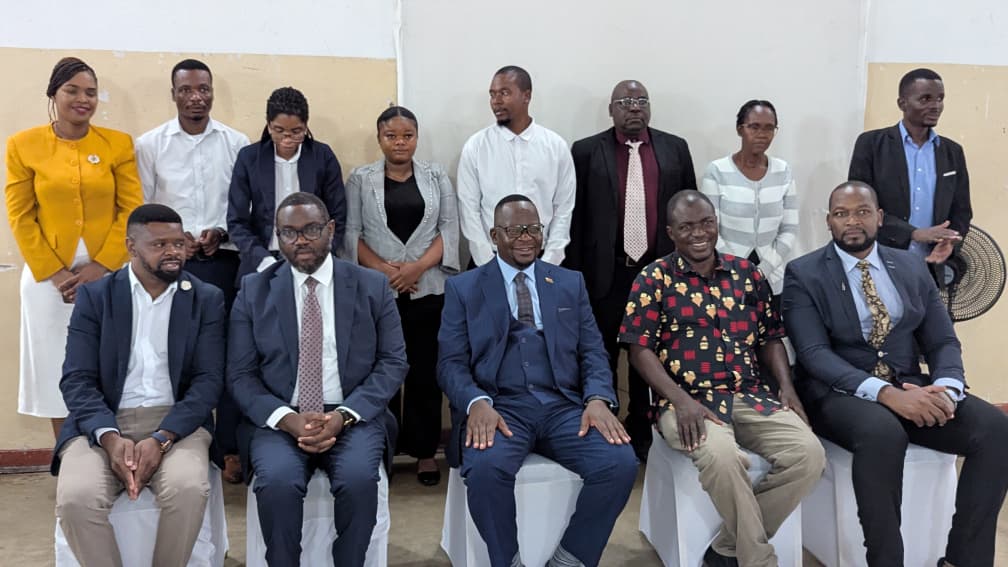
Minister Urges Journalists to Uphold Professionalism and Impartiality
Minister of Information and Communication Technology, Hon. Dr. Shadreck Namalomba, MP, has emphasized the importance of a free, responsible, and vibrant media, saying it plays a critical role in informing the public, fostering national unity, and promoting Malawi to attract investors and tourists. The Minister made the remarks on Friday, December 19, during the Annual General Meeting (AGM) of the Blantyre Press Club held at the Grace Bandawe Conference Centre in Blantyre. He challenged journalists to consistently uphold professional standards and ethical conduct in their work. Dr. Namalomba commended journalists for their objectivity and courage in reporting, describing them as “frontline defenders of justice who hold those in power to account, expose wrongdoing, and give a voice to the voiceless.” He further assured the media fraternity of government’s commitment to creating an enabling environment that allows journalists to effectively carry out their duties and fulfill their immense responsibility to society. The Minister was accompanied by Malawi Communications Regulatory Authority (MACRA) Director General, Mayamiko Nkoloma. During the event, Dr. Namalomba donated K2 million to the Blantyre Press Club in support of its activities. This year’s AGM was held under the theme “Promoting Justice, Peace, and Unity in the Digital Era.
Phalombe Malawi
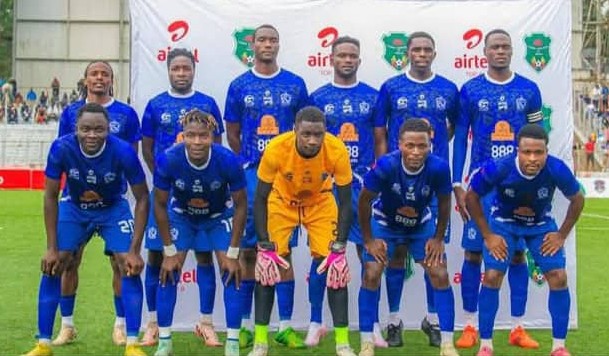
Wanderers Crowned 2025 TNM Super League Champions After 6–0 Rout of Moyale Barracks
Mighty Wanderers FC have been crowned champions of the 2025 TNM Super League after a commanding 6–0 victory over Moyale Barracks, sealing the title with a game to spare. The emphatic win confirmed Wanderers as the new kings of Malawian football, capping a dominant and consistent campaign that has seen them outclass most of their rivals. With the victory, Wanderers have moved to 68 points at the top of the league table, an unassailable lead that officially hands them the championship before the final round of fixtures. The Nomads were ruthless against Moyale Barracks, displaying attacking flair, tactical discipline, and defensive solidity that have defined their title-winning season. The six-goal thriller not only delighted their supporters but also underlined their status as the most formidable side in the league this season. Despite having already secured the title, Wanderers still have one fixture remaining. They will face another military outfit, Kamuzu Barracks, next week at Balaka Stadium in what will be the final match of their league campaign. A victory in that encounter would see the champions finish the season on an impressive 71 points. As celebrations begin among the Wanderers faithful, the club can now turn its attention to finishing the season on a high note and preparing for continental engagements, where they will represent Malawi following their TNM Super League triumph. The 2025 season will be remembered as one of authority and excellence for Mighty Wanderers FC—a campaign that firmly restored them to the summit of Malawian football.
Phalombe Malawi
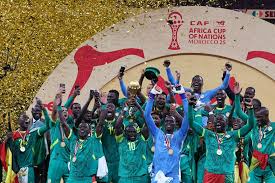
A Tournament Tainted: How Officiating, CAF Silence, and Host Bias Overshadowed AFCON 2025
The 2025 Africa Cup of Nations (AFCON) will be remembered not for football excellence, but for controversy that seriously damaged the credibility of CAF, match officials, and the host nation. From questionable refereeing decisions throughout the tournament to a deeply troubling final between Senegal and Morocco, AFCON 2025 exposed systemic failures that undermined sporting integrity. From the group stages to the knockout rounds, refereeing inconsistencies became a recurring theme. Teams playing against Morocco were repeatedly penalized for minor or non-existent fouls, while similar or worse infractions by Moroccan players went unpunished. VAR interventions appeared inconsistent, often used to Morocco’s advantage while legitimate appeals from opposing teams were ignored. Moroccan players repeatedly delayed restarts without receiving warnings or bookings, especially in high-pressure matches. These patterns raised serious questions about neutrality long before the final. The final match was the clearest example of officiating failure. The tournament was marred by one-Sided Fouls and Disciplinary Decisions Senegalese players were penalized for routine physical challenges that are normal at AFCON level. Several Moroccan fouls—late tackles, shirt-pulling, and obstruction—were ignored. Senegal accumulated received cards for marginal incidents, while Morocco escaped punishment for similar or worse offenses. Psychological Pressure and Match Control Failure as the the referee lost control of the game, allowing Moroccan players to influence decisions through crowd pressure and protests. Fouls were awarded in dangerous areas against Senegal with little justification, shifting momentum unfairly. The Senegalese coach, frustrated by persistent injustice, instructed his players to leave the pitch in protest. Sadio Mané, showing leadership and responsibility, intervened and persuaded the team to return, preventing a total breakdown of the final. Instead of addressing the cause of the protest, authorities later punished Senegal. CAF officials failed spectacularly in their oversight role because no official statement was made addressing the refereeing controversies. No disciplinary review of the referee or officiating team was announced. The Senegalese coach was denied a post-match interview, effectively silencing dissent. To worsen matters, CAF has sanctioned the Senegalese coach, punishing the victim rather than addressing the injustice. This response reinforced the perception that CAF protects officials and host interests over fairness. The host nation bias and fan misconduct with Off-field issues further damaged the tournament, unequal logistics: Some teams were transported by train under restrictive conditions, while others received preferential treatment. Fans misconduct ignored the Moroccan fans who repeatedly stole goalkeepers’ towels—an act meant to disrupt penalty routines—without intervention from stewards or sanctions. Post-match disrespect for the Senegalese coach who was booed by Moroccan fans after the final, an incident that CAF again failed to condemn. A Blow to African Football’s Integrity AFCON 2025 did more than crown a champion but it exposed deep governance and integrity problems. Refereeing credibility was severely compromised. CAF’s unwillingness to act damaged trust because they showed favoritism towards the host setting a dangerous precedent. Punishing protest instead of injustice discouraged accountability. What should have been a celebration of African football instead became a warning sign. Until CAF enforces transparency, accountability, and true neutrality, tournaments like AFCON risk losing respect from players, fans, and the global football community. AFCON 2025 was not just badly officiated—it was institutionally mishandled.
Phalombe Malawi
Education
Read more

Chonde-Mulanje, Malawi
‧
APM Declares No Secondary School Fees from January 2026
His Excellency President Peter Mutharika has declared that from January 2026, secondary school education will be free in all public secondary schools in Malawi. The Malawi leader said this on Sunday, 19 October 2025 at Mulhako Wa Alhomwe headquarters at Chonde in Mulanje during this year’s cultural festival where he was the guest of honour. The president is also the patron of this cultural grouping whose aim is to preserve and promote Lhomwe culture. The news was greeted with great excitement as school fees has been a barrier to some students with a dream to pursue secondary education especially those from ultra poor families. On hunger situation, the president assured Malawians that government has bought over 200,000 metric tones of maize from neighboring Zambia and that it will start arriving soon. Mutharika expressed surprise by the reaction of some farmers and traders who wanted the government to buy maize locally. He said he is perturbed by such accusations because the situation became dire when maize scarcity was reported in many parts of the country not knowing that some farmers and traders are hoarding maize. Nearly half the population of the country is facing hunger and experts fault the previous regime for failure to purchase maize in time.
Read more
Nguludi, Chiradzulu
‧
Catholic University Strive to Offer Tailor – Made Programmes Designed to Meet Employers’ Needs
The Catholic University of Malawi on Friday September 26, 2025 saw the remarkable and record passing out of over 1,500 graduands who have successfully completed their programmes in various fields of studies at the institution. Speaking at the graduation ceremony, Chancellor of the Catholic University of Malawi Bishop Martin Mtumbuka said the university takes pride in offering skills to students so as to make them employable and also to help them look after themselves through entrepreneurship should they become unsuccessful on the job market due to limited opportunities. Bishop Mtumbuka encouraged universities in the country to occasionally, conduct research which is crucial in determining the kind of skills required by prospective employers. The Chancellor warned both the staff and students that the institution’s policy remains unchanged on individuals who lack discipline, saying they will be fired or weeded out. On his part, Old Mutual Malawi Group Chief Executive Officer Taxona Biza who was the guest of honour, said the world keeps evolving therefore, this calls for a reason not to keep doing things as usual. He advised the graduands not to wait to be employed but to start something so that in future, they employ others. The Catholic University of Malawi was established in 2004 but opened its doors in 2006 and its first congregation was in 2010 with less than 100 students.
Read more
Mulanje, Malawi
‧
Mulanje Police Arrests 8 Form 4 Students For Bullying Form 1 Students and Vandalizing Property
Police in Mulanje have arrested 8 male students of Mulanje Secondary school who are seating for this year’s Malawi School Certificate of Education examinations for bullying form one students and Vandalising school property It was all started on Sunday 13 July, 2025 when form one students reported their ill treatment to the head teacher. According to one victim who opted for anonymity, some form 4 students on Sunday entered form one students’ hostels and took some of them into the nearby bush and started beating them and demanding cash. One traumatized victim who spoke to Khulubvi Post narrated harrowing experiences he suffered as he was carrying his bags on his head heading home The situation went out of control some form 4 students started vandalising property, stealing mattresses and blankets, physically assaulting the form ones in solidarity with their colleagues who were identified as ring leaders and were taken by police for questioning Violence continued to Monday afternoon when police fired teargas leading to form one students leaving school campus looking for safety The suspects will potentially face theft and vandalism charges after exams, according to Mulanje police station Public Relations Officer sergeant Innocent Moses
Read more
Lilongwe, Malawi
‧
Japanese Ambassador on Addressing Socio-Economic Issues for Malawi
Japanese Ambassador to Malawi, Yoichi Oya, underscored the vital role of higher education in addressing Malawi’s pressing socio-economic issues during his visit to Kamuzu University of Health Sciences (KUHeS) on Wednesday. The visit formed part of the Ambassador’s wider tour of Malawian universities aimed at gaining insight into their operations and exploring potential partnerships with Japanese institutions. “Since I was posted in this country, I have been visiting some leading universities to find out some spaces of engagement with the Japanese universities. I will take all the information back to my office to see how we can continue working together,” Oya stated. Dr. John Phuka, KUHeS Executive Dean, School of Global and Public Health, said KUHeS through his school can leverage Japanese knowledge and experience in managing the impacts of natural disasters and public health emergencies. “As you are aware that the country is facing significant challenges in terms of cyclones and other public health emergencies of different kinds including epidemics,” he said. Dr. Phuka also appealed to the Ambassador for resource support to address the increasing demand for healthcare human resources in Malawi. Prior to the discussions, Ambassador Oya was given a tour of the KUHeS campus, where he observed the infrastructure development and gained insight into the university’s service provision.
Read moreEntertainment
Read more
Business
Read more
Lilongwe, Malawi
‧
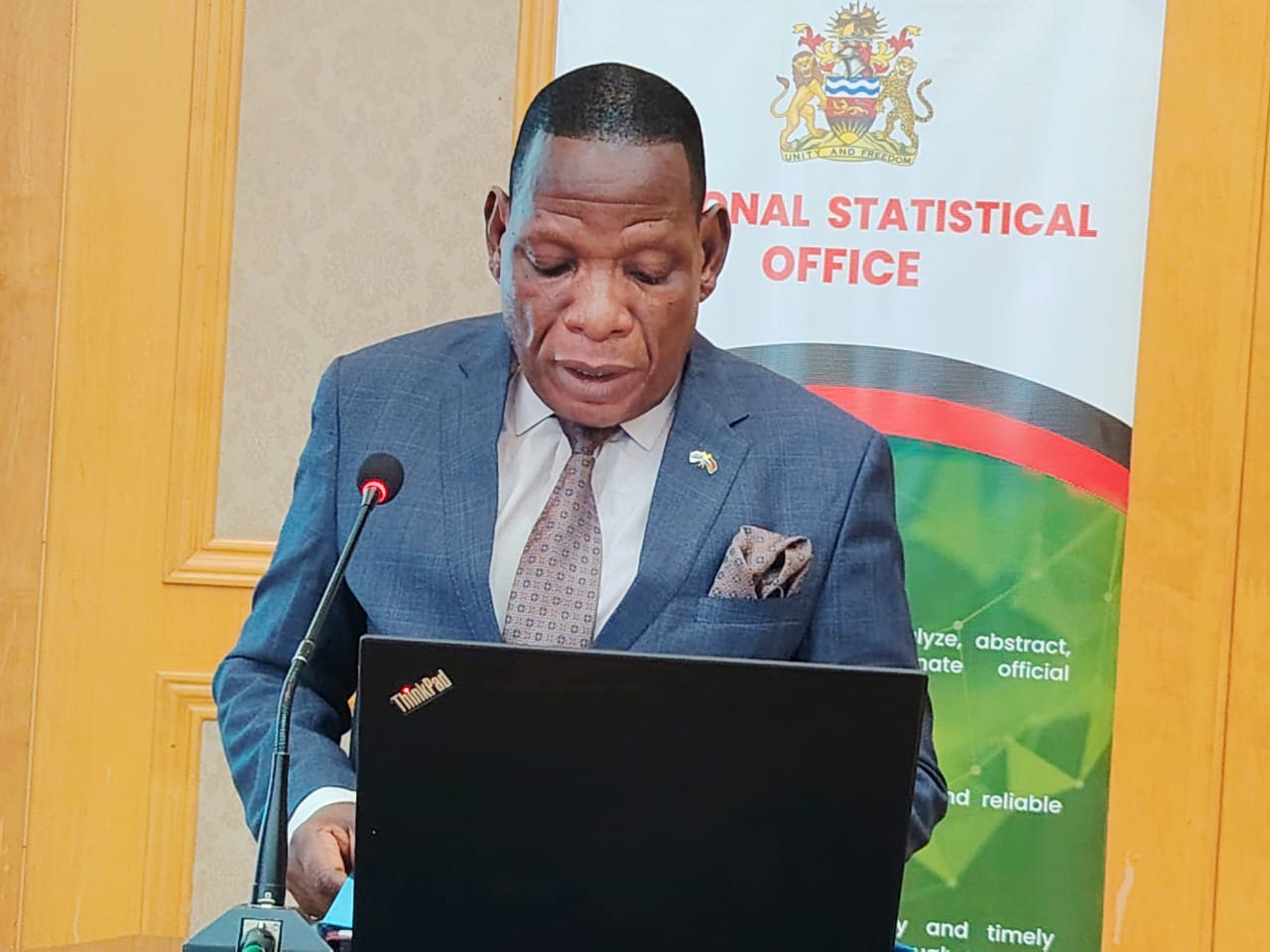
Government Reaffirms Commitment to Strengthening Health Sector
Minister of Finance, Economic Planning and Decentralisation, Joseph Mwanamvekha, has reaffirmed the government’s commitment to strengthening the health sector, describing investments in health as a core pillar of Malawi’s national development agenda. Mwanamvekha made the remarks on Tuesday at the Bingu International Conference Centre (BICC) in Lilongwe during the official launch of the 2024 Malawi Demographic and Health Survey (MDHS) Main Report. In his address, the Minister emphasized that health should not be viewed solely as a social sector issue, but as a strategic economic investment. He noted that a healthy population is more productive, resilient, and better positioned to contribute to sustainable economic growth. He explained that improved health outcomes play a critical role in poverty reduction, lowering household vulnerability, and easing long-term pressure on public finances. Conversely, Mwanamvekha warned that poor health outcomes undermine productivity, increase healthcare costs, and slow national development. “For these reasons, the government remains committed to strengthening health financing, improving efficiency in service delivery, and ensuring that investments in health are aligned with national development priorities,” said Mwanamvekha. The Minister further disclosed that findings from the 2024 MDHS will be fully integrated into ongoing policy reforms, medium-term expenditure frameworks, district development plans, and sectoral budgets to ensure evidence-based decision-making. Mwanamvekha also commended the National Statistical Office (NSO), the Ministry of Health, and development partners for their role in championing the survey. He specifically acknowledged support from USAID, the World Bank, UNICEF, UNFPA, UNHRC, UNESCO, the Global Fund, the European Union, and Global Affairs Canada, among others. Meanwhile, the Minister has urged all stakeholders to actively engage with the report and utilize its findings to support coordinated, evidence-driven interventions aimed at improving health outcomes across the country.
Read more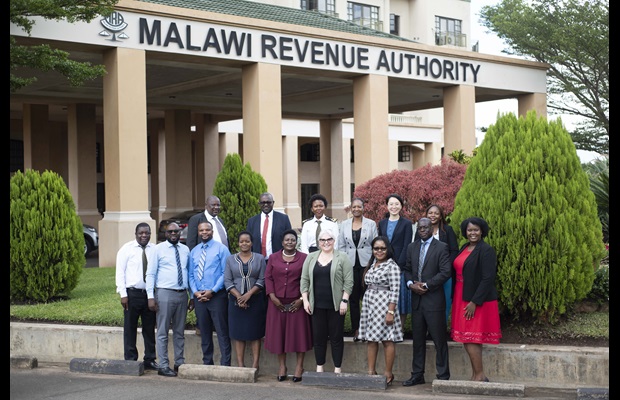
Blantyre, Malawi
‧
Treasury Refutes “False” Tax Reform Rumors: No New Taxes on Pensions or Death Benefits
The Ministry of Finance, Economic Planning, and Decentralization has moved swiftly to dismiss social media reports suggesting that the government is planning to introduce a series of aggressive new tax laws. In an official statement released today, January 20, 2026, the Ministry categorically refuted claims that it intends to amend existing legislation to tax pension funds, death benefits, or introduce “worldwide taxation” models. The Secretary to the Treasury described the rumors as “false, misleading, and entirely unfounded,” urging the public to remain calm and rely only on verified government communications. According to the press release, the Ministry explicitly denied the introduction of three specific tax measures that had been the subject of public concern on worldwide Taxation with claims that Malawians would be taxed on income earned globally. On pension Taxation, there are rumors that the government would begin taxing monthly pension income or the accumulated pension funds of retirees.There are suggestions that beneficiaries of Death Benefits would be taxed on payouts received following the passing of a relative. The Ministry emphasized that no such amendments are currently under consideration. Officials have urged stakeholders and the general public to seek clarification through official channels rather than relying on unverified reports that could cause unnecessary financial panic. “The Ministry remains open and fully committed to transparent, constructive, and inclusive engagement,” the statement read, reinforcing that any changes to national fiscal policy would follow a public and consultative process. The Treasury’s intervention comes at a sensitive time as the government prepares for the upcoming 2026/27 National Budget consultations, where public interest in tax policy is at an all-time high.
Read more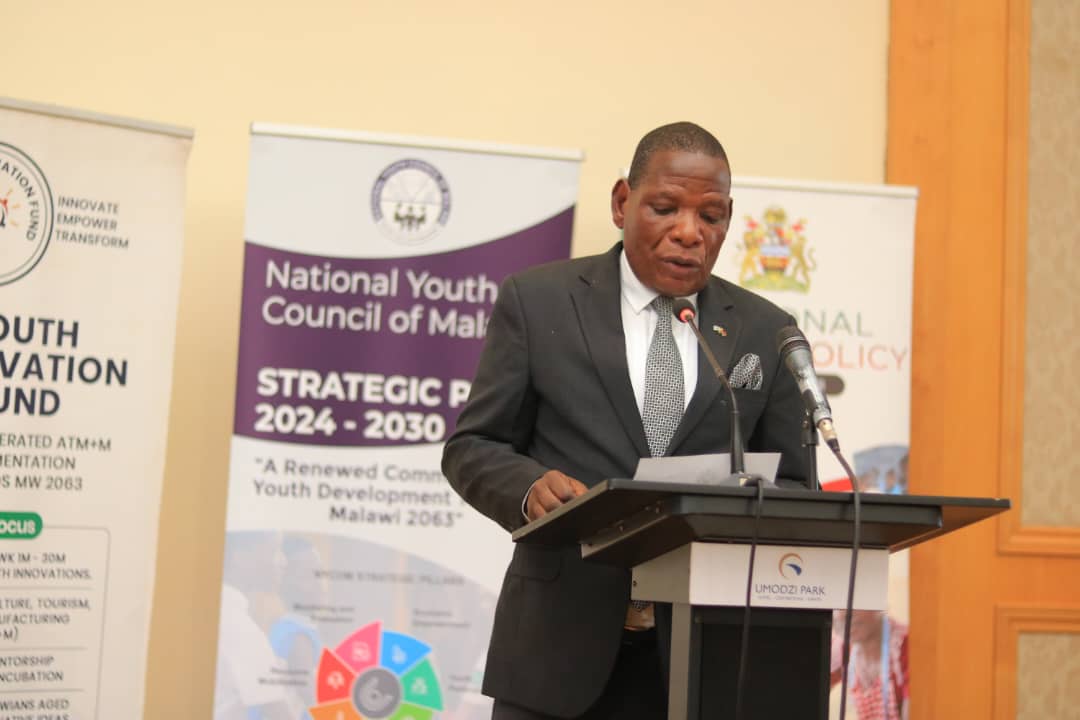
Lilongwe, Malawi
‧
Government Positions Youth as Catalyst for Malawi’s Economic Recovery
The Government of Malawi has reaffirmed its commitment to placing the youth at the heart of the nation’s economic recovery, citing young people as the primary drivers of national development. During a Youth Pre-Budget Consultation, Minister of Finance, Economic Planning, and Decentralization, Honourable Joseph Mathyola Mwananvekha, emphasized that the engagement aims to integrate youth perspectives directly into national priorities and fiscal planning. “With youth comprising over 65 percent of our population, inclusive economic growth is unattainable without their empowerment,” Mwananvekha stated. He noted that these efforts align with the Malawi 2063 vision and the National Youth Policy. As part of the 2025/26 Mid-Year Budget Review, the Minister confirmed the revival of key projects, including: Education & Skills: Revitalizing Community Technical Colleges. Financing: Restoring the Youth Enterprise Development Fund. Infrastructure: Developing youth centers and sports facilities. Constituency Funding: Allocating MWK 100 million per constituency for youth economic activities and MWK 50 million for grassroots sports. Despite challenges such as inflation and a 21.6 percent youth unemployment rate, Mwananvekha noted that macroeconomic fundamentals are stabilizing under the leadership of President Arthur Peter Mutharika. He concluded by urging the youth to engage in skill development and provide proactive input for the upcoming 2026/27 National Budget.
Read more
Lilongwe, Malawi
‧
Henry Mathanga’s Return to RBM: Restoring Experience and Stability at a Critical Moment
Henry Mathanga’s professional journey at the Reserve Bank of Malawi (RBM) began in 1984. Through decades of diligence, competence, and unwavering commitment, he steadily rose through the ranks to become Deputy Governor. During his tenure, Mathanga played a pivotal role in driving key institutional reforms that strengthened RBM’s operations and contributed to a period of strong financial performance and profitability for the Bank. His return to the Reserve Bank should not be misconstrued as political appeasement, as some critics have suggested. Rather, it represents a deliberate correction of a misstep rooted in political interference. Following the Malawi Congress Party’s (MCP) rise to power in July 2020, RBM became one of the first institutions to face direct political pressure. An investigation—widely viewed as questionable in both motive and process—was swiftly initiated, leading to Mathanga’s suspension. This was later compounded by what many perceived as contrived legal cases involving him and former Governor Dalitso Kabambe. By 2021, the pressure intensified. Mathanga became the target of sustained public attacks, amplified through sections of the media and widely believed to be politically sponsored. He was repeatedly summoned to court over cases that ultimately failed to stand the test of credibility. A seasoned technocrat who had devoted the greater part of his life to public service was subjected to public humiliation and character assassination. With the Democratic Progressive Party (DPP) now back in leadership, attention has shifted to repairing institutional damage and addressing pressing economic challenges—chief among them, the foreign exchange crisis. Former President Professor Arthur Peter Mutharika is widely regarded as a leader who understands the importance of experience and technical competence in economic management. His decision to place trust in Mathanga once again reflects confidence in proven expertise rather than political convenience. Malawi’s need for foreign exchange is urgent and undeniable. As the country seeks solutions “as soon as yesterday,” the return of a seasoned and knowledgeable professional like Henry Mathanga to the Reserve Bank offers renewed hope that stability, credibility, and effective policy direction can be restored at this critical institution.
Read more