Washington State, USA
|
January 28, 2026
|
Steven Maseya
A Tournament Tainted: How Officiating, CAF Silence, and Host Bias Overshadowed AFCON 2025
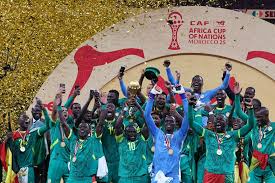
The 2025 Africa Cup of Nations (AFCON) will be remembered not for football excellence, but for controversy that seriously damaged the credibility of CAF, match officials, and the host nation. From questionable refereeing decisions throughout the tournament to a deeply troubling final between Senegal and Morocco, AFCON 2025 exposed systemic failures that undermined sporting integrity.
From the group stages to the knockout rounds, refereeing inconsistencies became a recurring theme. Teams playing against Morocco were repeatedly penalized for minor or non-existent fouls, while similar or worse infractions by Moroccan players went unpunished.
VAR interventions appeared inconsistent, often used to Morocco’s advantage while legitimate appeals from opposing teams were ignored. Moroccan players repeatedly delayed restarts without receiving warnings or bookings, especially in high-pressure matches.
These patterns raised serious questions about neutrality long before the final. The final match was the clearest example of officiating failure. The tournament was marred by one-Sided Fouls and Disciplinary Decisions Senegalese players were penalized for routine physical challenges that are normal at AFCON level.
Several Moroccan fouls—late tackles, shirt-pulling, and obstruction—were ignored. Senegal accumulated received cards for marginal incidents, while Morocco escaped punishment for similar or worse offenses.
Psychological Pressure and Match Control Failure as the the referee lost control of the game, allowing Moroccan players to influence decisions through crowd pressure and protests. Fouls were awarded in dangerous areas against Senegal with little justification, shifting momentum unfairly.
The Senegalese coach, frustrated by persistent injustice, instructed his players to leave the pitch in protest. Sadio Mané, showing leadership and responsibility, intervened and persuaded the team to return, preventing a total breakdown of the final. Instead of addressing the cause of the protest, authorities later punished Senegal.
CAF officials failed spectacularly in their oversight role because no official statement was made addressing the refereeing controversies. No disciplinary review of the referee or officiating team was announced. The Senegalese coach was denied a post-match interview, effectively silencing dissent.
To worsen matters, CAF has sanctioned the Senegalese coach, punishing the victim rather than addressing the injustice. This response reinforced the perception that CAF protects officials and host interests over fairness.
The host nation bias and fan misconduct with Off-field issues further damaged the tournament, unequal logistics: Some teams were transported by train under restrictive conditions, while others received preferential treatment.
Fans misconduct ignored the Moroccan fans who repeatedly stole goalkeepers’ towels—an act meant to disrupt penalty routines—without intervention from stewards or sanctions. Post-match disrespect for the Senegalese coach who was booed by Moroccan fans after the final, an incident that CAF again failed to condemn.
A Blow to African Football’s Integrity AFCON 2025 did more than crown a champion but it exposed deep governance and integrity problems. Refereeing credibility was severely compromised. CAF’s unwillingness to act damaged trust because they showed favoritism towards the host setting a dangerous precedent. Punishing protest instead of injustice discouraged accountability.
What should have been a celebration of African football instead became a warning sign. Until CAF enforces transparency, accountability, and true neutrality, tournaments like AFCON risk losing respect from players, fans, and the global football community. AFCON 2025 was not just badly officiated—it was institutionally mishandled.
Comments
0