
Business News
Phalombe, Malawi
|
January 6, 2026
APM Revamping Economy
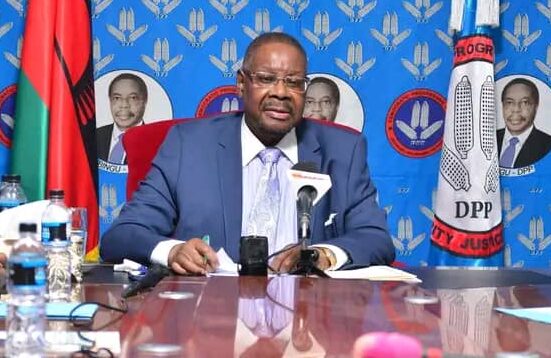
Democratic Progressive Party (DPP) Vice President for the Southern Region, Honourable Joseph Mathyola Mwanamvekha, has told residents of Phalombe North that Malawi’s economy is showing signs of recovery under the leadership of President Professor Arthur Peter Mutharika, following what he described as years of mismanagement under the previous Malawi Congress Party (MCP) administration led by President Lazarus Chakwera (2020–2025). Mwanamvekha made the remarks on Sunday while addressing a political rally held at Namileme Primary School Ground, where he pointed to stabilizing prices of basic commodities and improved fuel availability as indicators of economic recovery. He cited the reduction in maize prices, which he said had fallen from about K110,000 to K50,000 per bag, and noted that fuel was now readily available across the country. “There are no longer fuel queues at our filling stations,” Mwanamvekha told the crowd, drawing applause from supporters. Member of Parliament for Phalombe North, Honourable Feston Chauma, thanked constituents for their continued support and expressed appreciation to Mwanamvekha for committing to the rehabilitation of the Chiteketsa dust road, which he described as impassable and a major challenge to local transport and trade. Chauma said the proposed road works would significantly improve access to markets and public services for communities in the area. The rally attracted several senior DPP officials, including DPP Southern Region Governor Hon Charles Mchacha and DPP Director of Youth for the South, Hon Bizzier Kalulu, underscoring the party’s renewed grassroots mobilization efforts in the region. According to party officials, the rally formed part of the DPP’s broader outreach program aimed at updating citizens on government progress while also listening to community concerns. Mwanamvekha urged residents of Phalombe North to remain united and continue supporting President Mutharika’s development agenda, which he said prioritizes economic stability, infrastructure development, and improved livelihoods. The DPP has recently intensified similar engagements across the Southern Region as it seeks to consolidate political support and communicate its policy direction to the public.
Read more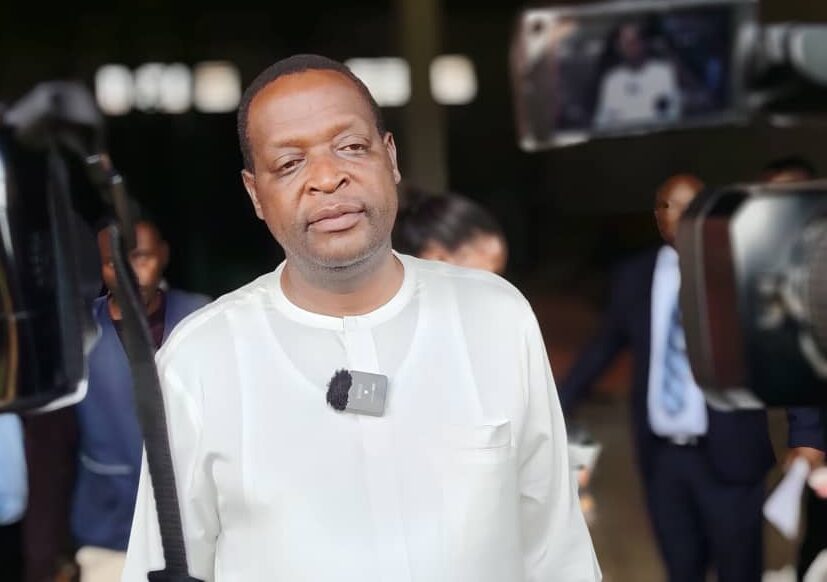
Chigumula, Malawi
|
January 6, 2026
Mulli Praises Mutharika
Chairperson of Mulli Brothers Limited (MBL) Holdings, Mulli, has publicly endorsed the administration of President Professor Arthur Peter Mutharika, crediting the government with creating a stable and business-friendly economic environment capable of stimulating growth and employment. Mulli made the remarks during a thanksgiving prayer service held at the company’s headquarters in Chigumula, Blantyre, where he emphasized the importance of collaboration between the private sector and government in efforts to stabilize and grow the national economy. According to the business leader, a sound macroeconomic environment would allow major companies such as MBL Holdings to expand operations and create more employment opportunities for Malawians. “When the economy is stable, businesses can grow. That growth translates directly into more jobs for Malawians across all our companies,” Mulli said. Mulli’s endorsement reflects growing confidence among sections of the private sector in the government’s economic policies, particularly those aimed at improving the investment climate, maintaining market stability, and supporting local industries. Analysts note that private-sector participation is key to economic recovery, especially in job creation and industrial growth. MBL Holdings operates across multiple sectors, and its expansion has the potential to contribute significantly to employment and economic activity, particularly in urban and peri-urban areas. Mulli reaffirmed his commitment to working closely with government authorities to support economic stabilization efforts, stressing that sustainable growth requires cooperation between policymakers and business leaders. The thanksgiving service also took on a national tone, with Reverend Boniface Tamani offering prayers and well wishes for President Mutharika as he embarks on his second term in office. Speakers highlighted the need for wisdom and unity in steering the country’s economic direction. The event drew several prominent figures, including Bishop Brighton Malasa, Dr. Ken Lipenga, a former Cabinet minister, Rev. Missie Spiki, Vice Synod Moderator, Rev. Jimmy Banda, Deputy General Secretary, Rev. Billy Gama, MBL Holdings’ Chaplain, as well as employees of MBL Holdings. Observers say endorsements from leading business figures signal optimism about Malawi’s economic trajectory, with expectations that policy consistency, private investment, and job creation will play a central role in strengthening the economy in the coming years.
Read more
Washington State,
|
January 6, 2026
Ria Money Transfer: A Global Leader in Remittance Services
Ria Money Transfer, a subsidiary of Euronet Worldwide, Inc., has grown into one of the world’s leading financial services companies specializing in electronic funds transfer and remittances. Founded in 1987, Ria has built a strong global footprint, serving millions of customers across continents. Headquartered in Buena Park, California, United States, Ria operates under Euronet’s Money Transfer Segment, led by Juan Bianchi, Chief Executive Officer. The company employs more than 4,000 people worldwide and reported revenues of $1.18 billion with an operating income of $59.7 million in 2020. Ria Money Transfer is recognized as one of the “big four” global remittance companies, operating through a vast network of agents and company-owned stores across North America, South America, Europe, Asia-Pacific, Africa, and online platforms. As of 2020, Ria’s services were available at more than 470,000 locations in 159 countries, as well as through its mobile app and website, riamoneytransfer.com. Over the years, Ria has risen to become the second-largest money transfer service in the world, driven by strategic partnerships, acquisitions, and technological innovation. In 2006, Ria was acquired by Euronet Worldwide, Inc., joining its money transfer segment alongside foreign exchange brand XE. The acquisition marked a major milestone in Ria’s international expansion. Ria began collaborating with post offices in 2010, and in 2014, partnered with Postbank of Kenya, enabling customers to send and receive money through all 99 Postbank branches or directly into bank accounts. This move significantly improved financial access for customers in East Africa. That same year, Ria launched Walmart-2-Walmart Powered by Ria in the United States, a domestic money transfer service available at more than 4,600 Walmart stores. The partnership was later expanded to Latin America in 2016, including a collaboration with Walmart Chile, offering remittance services through selected Líder supermarkets. In 2019, Ria and Walmart partnered with PayPal’s Xoom to introduce domestic money transfer services, enabling Xoom to expand into 60 countries through the agreement. Ria continued to strengthen its global presence with the acquisition of Malaysia-based IME in 2015. The company has also expanded aggressively in Latin America, supported by a joint venture between Euronet Worldwide and Spain’s Prosegur Cash. In Africa, Ria has gained regulatory recognition and partnerships. In March 2021, the Central Bank of Nigeria listed Ria as an approved international money transfer operator for diaspora remittances. First Bank of Nigeria also collaborates with Ria to facilitate inbound remittance flows. Ria has invested heavily in digital platforms to meet the growing demand for fast and convenient money transfers. The Ria Money Transfer App, available on Android and iOS, allows users in the United States, Canada, and most European countries to send money through Ria’s global network. The app has surpassed one million downloads. The company also supports mobile money services, particularly in Sub-Saharan Africa, where mobile wallets play a critical role in financial inclusion. Through a partnership with Qmoney in The Gambia, Ria customers can send funds directly to mobile wallets, reducing costs and increasing accessibility. During the COVID-19 pandemic, global institutions including the World Bank highlighted the importance of remittances as a vital lifeline for vulnerable populations. Ria played a significant role in maintaining cross-border money flows during this period, reinforcing its importance in the global financial ecosystem. Today, Ria Money Transfer remains a trusted name for individuals sending money to families and communities worldwide. With continued investment in technology, partnerships, and financial inclusion, the company is positioning itself for sustained growth in the evolving global remittance market.
Read more
Lilongwe, Malawi
|
November 25, 2025
Report Alleges MK486 Million Payment for Unfinished Projects Documentary to Kadzako and Team
New information shared by Cables on social media alleges that several prominent figures—including Gospel Kazako, Joab Chakhaza, Luke Tembo, and Gabriel Kamlomo—were linked to a contract worth approximately MK486 million for the production of a documentary on former President Lazarus Chakwera’s unfinished development projects in the Ministry of Water and Sanitation. According to Cables, the contract was awarded to a little-known firm, CG Communications, at a time when the country faced widespread shortages of food and essential medical supplies. Critics have described the arrangement as a possible attempt to improperly utilize public funds. Previous Cables reporting had claimed that Gospel Kazako received significant funding to support the Malawi Congress Party’s media strategy and to influence strategic appointments within institutions such as ESCOM—claims that were initially met with skepticism. The latest allegations are said to reinforce those earlier reports. Details of the Alleged Contract sources cited by Cables indicate that: The contract was allegedly signed by Elias Chimulambe, Secretary for Water and Sanitation, and witnessed by Adrian Mpinganjira. Joab Frank Chakhaza and Gabriel Kamlomo reportedly signed the agreement on behalf of CG Communications. An upfront payment of MK145 million, representing 30% of the project cost, was purportedly made. The contract was initiated approximately three months before the 2025 elections, which former President Chakwera ultimately lost. Cables criticized the transaction as an unnecessary expenditure, arguing that there was no justification for producing a documentary on incomplete projects while citizens were facing severe economic hardships. The platform has called for a full and transparent investigation to determine whether public funds were misused and to ensure accountability for all parties involved.
Read more
Lilongwe, Malawi
|
November 3, 2025
Malawi and Norway Sign K55.7 Billion Grant Agreement to Boost Health and Food Security Sectors
The Governments of Malawi and Norway have signed a Bilateral Grant Agreement valued at 318 million Norwegian krone (approximately US$31.8 million or K55.7 billion) to strengthen Malawi’s health and food security sectors. Under the agreement, US$19.5 million (K34.1 billion) will support the Health Services Joint Fund (HSJF), while US$12.3 million (K22.9 billion) will be directed towards food security initiatives. Speaking at the signing ceremony in Lilongwe, Minister of Finance, Economic Planning and Development Joseph Mwanamvekha commended the Norwegian government for its continued partnership. “This grant will go a long way in fulfilling the objectives of the Health Sector Strategic Plan III and in strengthening our public financial management systems,” Mwanamvekha said. Norwegian Ambassador to Malawi Anne Sofie Bjelland reaffirmed her government’s commitment to supporting Malawi’s development priorities. “Today’s signing reflects Norway’s strong partnership with Malawi in promoting quality health care and sustainable development,” she stated. Minister of Health and Sanitation Madalitso Baloyi also acknowledged Norway’s long-standing contribution, noting that since 2015, Norway has invested over US$74 million through the HSJF. “This support has expanded access to reproductive health services and equipped hundreds of health facilities across the country,” Baloyi said. The Health Services Joint Fund has played a key role in improving access to quality healthcare, constructing new facilities, and equipping more than 300 hospitals nationwide.
Read more
Lilongwe, Malawi
|
July 13, 2025
Chihana Reacts to World Bank Economic Report; Chakwera with Pedestrian Economic Understanding
AFORD President Enoch Chihana says there is an urgent need for the new government in September to focus on the economic hardships Malawians have been subjected to by the Chakwera -led government citing deep concerns over rising economic problems and governance challenges. He was reacting to the World Bank Report that has indicated that the Malawi economy is in ICU; struggling on multiple fronts. According to the Report, titled “Navigating Uncertainty” it says the growth of the economy is at the tortoise pace, the economy is tumbling, prices of basic needs are rising and millions of Malawians are scrambling to make ends meet due to poor leadership. In his quick response, Chihana says September 16 is the defining day for Malawians to address the myriad of challenges they are facing under President Dr Lazarus Chakwera. “AFORD and other well meaning opposition parties are here to rescue the sinking boat. This government has not only deepened poverty across the country, but it has also set new records in wasteful spending and corruption. At a time when millions of Malawians are struggling to survive, government officials mainly the elites in ruling the Malawi Congress Party-MCP are living in excess and approving for each other’s budgets to travel abroad at the expense of the common poor Malawian. So a pity,” said Chihana. The report from the World Bank has come at the time Malawians go to the polls in September and it reinforced opposition messages on the economy. According to the report, it also indicates that Malawians are going through hunger crisis as maize production which is the main staple food will be in deficit and the limited foreign reserves means importing of relief food and fertilizer will be limited as well. The report also says the government overspent its budget in 2024/25, pushing the deficit to 10.5% of GDP and that in the coming fiscal year, debt repayment alone will eat up half of all tax revenue, leaving less money for service delivery mainly in critical areas of education, health and agriculture. The bank has since urged urgent intervention to stabilize the economy, support local producers, and defend the poor families and it has warned that if nothing is done, Malawians are expected to be unredeemable people. With less than 60 days before elections, many Malawians see the current leadership as not delivering on their key promises to improve the country’s ailing economy, food security, and corruption. Chakwera’s reelection bid is jeopardy as his government is very unpopular with the inflation crisis.
Read more
Blantyre, Malawi
|
July 10, 2025
A 100 million US Dollar Oil Factory Commissioned in Malawi
A Tanzanian conglomerate Bakhresa Malawi Limited has added soya beans oil production to their line of businesses raising a prospect of consumers spending less on cooking oil which saw prices of the commodity soaring in recent years. The company has disclosed that it has spent 100 US dollars to set up the factory and it is determined to become the country’s leading oil producer to meet local demand According to Richard Tchereko, the company’s human resource and compliance manager, the company had met MBS requirements and it received pre-qualification certificate to start production. Tchereko further said with adequate raw material supply, the company will be producing 500 tonns of soya beans per day which very significant and he has encouraged local farmers to take advantage of the situation by growing and supplying more soya beans to Bakhresa Business gurus and economic experts have hailed the establishment of the oil company which among other things, will create jobs and save forex as the product will be produced locally using local raw materials. President Lazarus Chakwera presided over the official opening of the company on Wednesday in Limbe and stressed the need for Malawians to invest in the country
Read more
Washington State,
|
June 8, 2025
IMF Staff Completes 2025 Article IV Mission to Malawi
IMF Press Release number 25/175 published on its official website page in Washington, DC on Wednesday, 4th June, 2025 states that an International Monetary Fund (IMF) team led by Justin Tyson visited Malawi from May 22 to June 3 to hold meetings with the Malawian authorities and other counterparts from the public and private sectors and civil society for the 2025 Article IV consultation. Discussions focused on policies to restore macroeconomic stability, and the structural reforms needed to foster strong, inclusive, and durable growth. Below is the brief report of the mission to Malawi by IMF Staff which has ceen completed in 2025. Context, Macroeconomic Outlook, and Risks The Malawian economy has been buffeted by several shocks. Real GDP growth declined slightly to 1.8 percent in 2024 as a drought affected agricultural production, while foreign exchange and fuel shortages dampened economic activity. Over 20 percent of the population is facing high levels of food insecurity, up five percentage points over 2023. Headline inflation began easing in late-2024 and reaccelerated in early-2025 in the context of maize prices rising to historical levels, elevated money growth and an increasing official-parallel exchange rate spread. Fiscal and monetary policy has remained too accommodative. The FY2024/25 (April/March) fiscal balance fell short of budget targets and deteriorated relative to the previous year as revenue underperformed and expenditure ceilings were exceeded. Persistent and elevated domestic fiscal financing has fueled money growth and inflation, which in turn exerts pressure on the exchange rate. Monetary policy did not tighten sufficiently in the context of elevated government domestic borrowing. The broader reform momentum has been slowing. Consequently, domestic, and external imbalances worsened. The current account deficit expanded further to about 22 percent of GDP and gross reserves are critically low, pointing to an overvalued exchange rate. The official-parallel spread is wide and may reflect other factors beyond fundamentals. Malawi remains in external debt distress and domestic debt is growing. The macroeconomic outlook is subdued and dependent on the agricultural sector output and foreign grant support. Under current policies, the mission expects real GDP growth to be 2.4 percent in 2025 and gradually increase to 3.4 percent over the medium term. Inflation is projected to average 29 percent in 2025 and settle at around 14 percent over the medium term. The current account deficit is projected to improve to about 17 percent of GDP in 2025 based on lower fuel prices and a rebound in key exports. General elections, scheduled for September, have reinforced political-economy constraints to macroeconomic adjustment. After the expiry of the ECF arrangement, the Malawian authorities are designing a homegrown reform program. Risks are tilted to the downside. Lower-than-anticipated grant inflows and food production, additional global trade tensions, and delayed reforms could deepen macroeconomic instability. Greater-than-expected mining investment and production constitute an upside risk. Fiscal Policy Returning to a sustainable fiscal adjustment path is a priority. Tackling the rising interest bill will create space for domestically-financed investment and pro-poor spending, while also ameliorating the sovereign-bank nexus. Domestic revenue mobilization is urgently needed to achieve fiscal sustainability in an equitable way. This could be achieved through a combination of broadening the tax base and tax policy instruments (e.g., reducing exemptions, and personal and corporate income tax reform). Improving wage bill efficiency and rebalancing expenditures towards human capital and social protection could support these efforts. Staff welcomes public financial management improvements, which remain critical for strengthening fiscal governance and building public trust. The authorities have made progress in expanding the coverage of the Integrated Financial Management and Information System (IFMIS), bank reconciliations, and increasing the efficiency of public investment. Reform efforts should continue to, inter alia, enhance budget development, execution, and reporting, improve the procurement system, and strengthen State Owned Enterprises (SOE) oversight. Decisive steps are needed to restore debt sustainability. The authorities have achieved some progress with their bilateral creditors and continue to engage with their external commercial creditors to ensure that external debt is sustainable. Tangible progress on external debt restructuring could pave the way for new concessional inflows. This should be supported by steps to reduce the cost of domestic borrowing. Price Stability and Exchange Rate Policy Tighter fiscal and monetary policies would support disinflationary efforts and ease pressure on the exchange rate. High inflation hurts the economy in general, but especially the poorest and most vulnerable. A combination of more restrictive monetary policy and an urgent fiscal adjustment, including enhanced reporting on budget execution, could reduce broad money growth, support policy credibility and re-anchor inflation expectations. Structural constraints may also be contributing to entrenched inflation expectations. A unified and market clearing exchange rate is critical to reducing imbalances and supporting the authorities’ growth objectives. The current regime with a large and volatile spread between the parallel and official rate creates distortions, impedes exports, subsidizes some imports, and encourages informality and tax avoidance. Foreign direct investments and official aid flows are discouraged, and domestic revenues reduced. Eliminating these imbalances requires unifying the official and parallel exchange rates, at a level reflecting fundamentals and discounting speculative factors, and stabilizing the foreign exchange market. Consistency between the de facto exchange rate regime, the monetary policy framework and fiscal policy are needed to ensure sustainable growth. Financial Sector Policies The banking sector’s credit and foreign exchange risks should be monitored to preserve financial stability. While the sector is well-capitalized, liquid, and profitable, its significant exposure to government borrowing and the net foreign liabilities position within the banking sector require continued careful monitoring. Increased banking sector credit to the private sector would support economic growth. Fiscal adjustment would reduce crowding out of private sector due to public borrowing and support export-oriented investment. In addition, a lower inflation and interest rate environment would further support credit to businesses. Structural Reforms Improving the investment climate would help attract investment, diversify the economy, and move up the value chain. Sustained multi-year prudent fiscal policies and removing price distortions (e.g., re-activating the automatic fuel price mechanism) would bolster policy credibility and strengthen external competitiveness. Addressing key structural impediments to growth would durably support efforts to raise productive capacity, reduce inflation and improve self-sustainability, as envisaged under the authorities’ Agriculture, Tourism, Mining and Manufacturing (ATMM) policy umbrella. Further strengthening governance measures will support confidence in public service provision. Despite government reform efforts, including the two National Anti-Corruption Strategies, gaps persist. For example, the public procurement process and SOE operations would benefit from greater transparency and less discretionary decision-making. The IMF mission team thanks the Malawian authorities and all other interlocutors for the candid discussions and their hospitality. follow the link provided IMF Staff Completes 2025 Article IV Mission to Malawi
Read more
Nchalo, Chikwawa
|
June 4, 2025
Minister of Trade Tours Illovo Sugar Company Amidst Scarcity of the Commodity
On 3 June 2025, Illovo officials hosted the Honorable Minister of Trade and Industry Vitumbiko Mumba and his entourage at the Nchalo Estate in Chikwawa District. The visit provided an opportunity to showcase their ongoing efforts to stabilize sugar supply on the domestic market and ensure consistent availability of the commodity for Malawian consumers. From field to factory, the Minister toured key operational areas and engaged with the Illovo team on the ground to better understand the production processes, challenges, and strategic interventions aimed at strengthening the local sugar industry. At Illovo Sugar Malawi, they remain committed to working closely with the government and stakeholders to grow the local economy, and deliver value for the country. Meanwhile sugar scarcity hits the old Zomba capital city as the local people line up to buy one packet of sugar at Chipiku shops.
Read more
Blantyre, Malawi
|
May 30, 2025
The Effects of Forex Shortage On Sugar Production Output
Five years ago, Malawi recorded the highest forex import cover of 6 months. This resulted in abundant forex availability for procurement of medical, transport, and plant machinery. Today, we are running less than a month’s cover, and one has to be on the que for months and months to access the rationed forex. The sugar industry, particularly in developing economies, heavily depends on imported machinery and spare parts for continuous production and maintenance. A shortage of foreign exchange (forex) can severely impact the procurement of these essential components. This paper explores the multifaceted effects of forex shortages on the operational efficiency, costs, and sustainability of sugar industry production plants. Delayed Procurement of Spare Parts; The inability to access sufficient forex restricts the timely payment to international suppliers. This results in shipping delays and extended lead times, which directly impact plant operations. As a result, due to the low production of that particular product, there will be less supply, and the high demand will spike the prices. Customs and Clearance Delays; Even when spare parts arrive in the destination country, the lack of forex to pay for import duties and taxes can stall customs clearance, further delaying availability. Increased Production Downtime Delays; Delays in receiving critical spare parts lead to prolonged equipment breakdowns. Consequently, production processes are halted, reducing overall plant uptime and efficiency. Higher Operational Costs Forex shortages; Often drive companies to procure spares through local intermediaries or black markets at inflated prices. Emergency procurement due to unexpected breakdowns adds to the financial burden. Reduced Production Capacity; Without timely maintenance and replacement of worn-out parts, plants may operate below optimal capacity. In seasonal industries like sugar, this can result in missed harvesting and processing windows. Inefficient Inventory Management; To mitigate the risk of procurement delays, companies may overstock critical spare parts, tying up capital in inventory. Over time, these parts may become obsolete, leading to wastage. Inconsistent or delayed payments due to forex constraints; This damages relationships with foreign suppliers. Suppliers may reduce credit terms or stop supplying altogether. Limited Access to New Technology; Forex shortages can prevent the import of newer, more efficient technologies. This leads to prolonged reliance on outdated equipment with higher maintenance needs. The shortage of foreign exchange critically has hampered the procurement of spare parts in the sugar industry and others in Malawi, affecting not only day-to-day operations but also long-term productivity and competitiveness. Strategic interventions, such as government forex allocation policies, improved local manufacturing capabilities, and supplier diversification, are essential to mitigate these effects. This paper recommends establishing strategic partnerships with local or regional suppliers. Advocate for government policies that prioritize forex allocation for essential industries. Invest in predictive maintenance and inventory optimization technologies. Explore local manufacturing or refurbishment options for common spare parts.
Read more
Sunbird Nkopola,
|
May 25, 2025
Local Assemblies, A Catalysts for Socioeconomic Development
Minister of Local Government Unity and Culture Richard Chimwendo Banda has challenged local government authorities to focus on their primary duty of serving the communities rather than allowing personal and partisan interests to overshadow governance and economic growth as government continues to pump in billions of kwachas in Assemblies with an aim of transforming the lives of poor Malawians. He was speaking on Thursday, May 22, 2025 at Sunbird Nkopola, in Mangochi District where he is a Guest of Honour at this year’s 19th Annual Assembly of Malawi Local Government Association ( MALGA). In his remarks, the Minister said President Dr Lazarus Chakwera is committed to transform the lives of Malawians by empowering city authorities with resources and is committed to devolving the powers to Local Government Association (LGA’s). “As government is committed to providing financial and administrative autonomy for LGA’s, let us also remember the people we serve that they expect quality services delivery and accountability to ensure efficient resource utilization from us. The leadership of this nation has depoliticize “Capital Hill Powers” and empower LGA to function independently with an aim of providing effectiveness and efficiency in running the Assemblies. Decentralization must not be a mere policy on paper but a practical tool for socioeconomic development,’ said Chimwendo who is also the ruling Malawi Congress Party-MCP Secretary General. He assured the delegates that government will continue to pump resources in the Assemblies as are the foundation of Malawi’s governance structure. MALGA Executive Director, Hadrod Zeru Mkandawire said the AGA plays a critical role in shaping national policy and best practices. Meanwhile, Blantyre City has been named as the cleanest in Malawi This is the 3rd time in a roll beating the capital Lilongwe and other cities. The Assembly has also named Neno as the most improved Council in operations and implementation of government projects. This year’s AGA theme is : Reflecting on the Recent Past and Taking Stock of the Status of Decentralization and Local Government in Malawi – Looking to the Future and Renewed Hope.
Read more
Mt Soche
|
May 23, 2025
RBM Governor Defends 2024 – 44% Devaluation
Governor of the Reserve Bank of Malawi Dr Mafuta Mwale has defended the decision to devalue the local currency by 44% which happened last year, saying it was necessary at that time looking at the prevailing situation. Dr Mwale said this on Tuesday, 20th May 2025 at the 6th All-Inclusive Stakeholders Conference organized by a quasi religion organization called Public Affairs Committee PAC at Mount Soche Hotel in Blantyre. But the RBM boss was quick to admit that the devaluation did not help achieve all the expected or desired results but to a larger extent, it was a better idea.
Read more