Lilongwe, Malawi
|
February 4, 2026
|
Mike Tembo
Government Reaffirms Commitment to Strengthening Health Sector
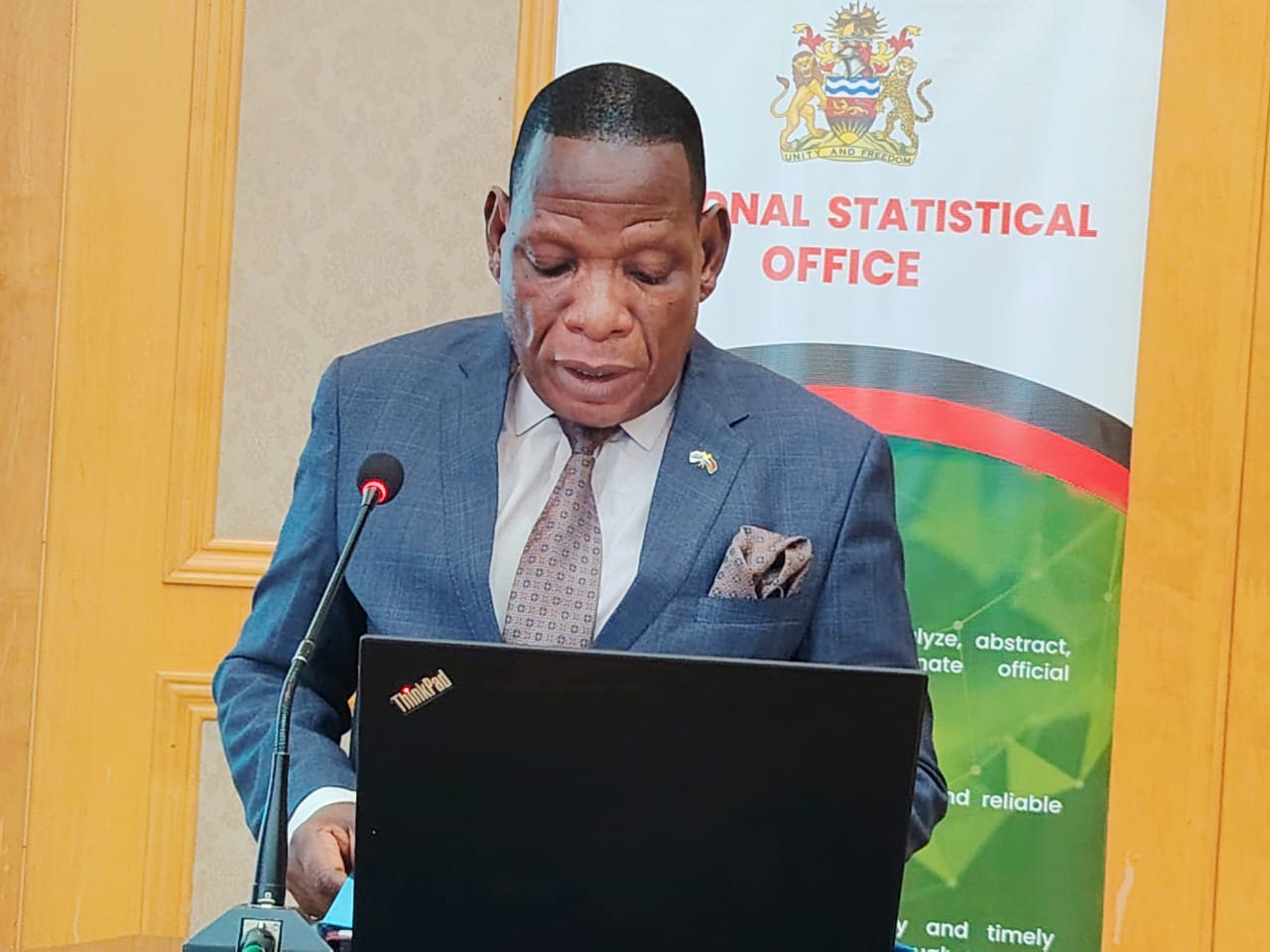
Minister of Finance, Economic Planning and Decentralisation, Joseph Mwanamvekha, has reaffirmed the government’s commitment to strengthening the health sector, describing investments in health as a core pillar of Malawi’s national development agenda.
Mwanamvekha made the remarks on Tuesday at the Bingu International Conference Centre (BICC) in Lilongwe during the official launch of the 2024 Malawi Demographic and Health Survey (MDHS) Main Report.
In his address, the Minister emphasized that health should not be viewed solely as a social sector issue, but as a strategic economic investment. He noted that a healthy population is more productive, resilient, and better positioned to contribute to sustainable economic growth.
He explained that improved health outcomes play a critical role in poverty reduction, lowering household vulnerability, and easing long-term pressure on public finances. Conversely, Mwanamvekha warned that poor health outcomes undermine productivity, increase healthcare costs, and slow national development.
“For these reasons, the government remains committed to strengthening health financing, improving efficiency in service delivery, and ensuring that investments in health are aligned with national development priorities,” said Mwanamvekha.
The Minister further disclosed that findings from the 2024 MDHS will be fully integrated into ongoing policy reforms, medium-term expenditure frameworks, district development plans, and sectoral budgets to ensure evidence-based decision-making.
Mwanamvekha also commended the National Statistical Office (NSO), the Ministry of Health, and development partners for their role in championing the survey. He specifically acknowledged support from USAID, the World Bank, UNICEF, UNFPA, UNHRC, UNESCO, the Global Fund, the European Union, and Global Affairs Canada, among others.
Meanwhile, the Minister has urged all stakeholders to actively engage with the report and utilize its findings to support coordinated, evidence-driven interventions aimed at improving health outcomes across the country.
Comments
0